About
Data science across academic and operational settings.
I am a Lecturer (Assistant Professor) in Data Science at the University of Bristol. My research examines how data, computational modelling and simulation can inform decision-making in response to complex societal challenges.
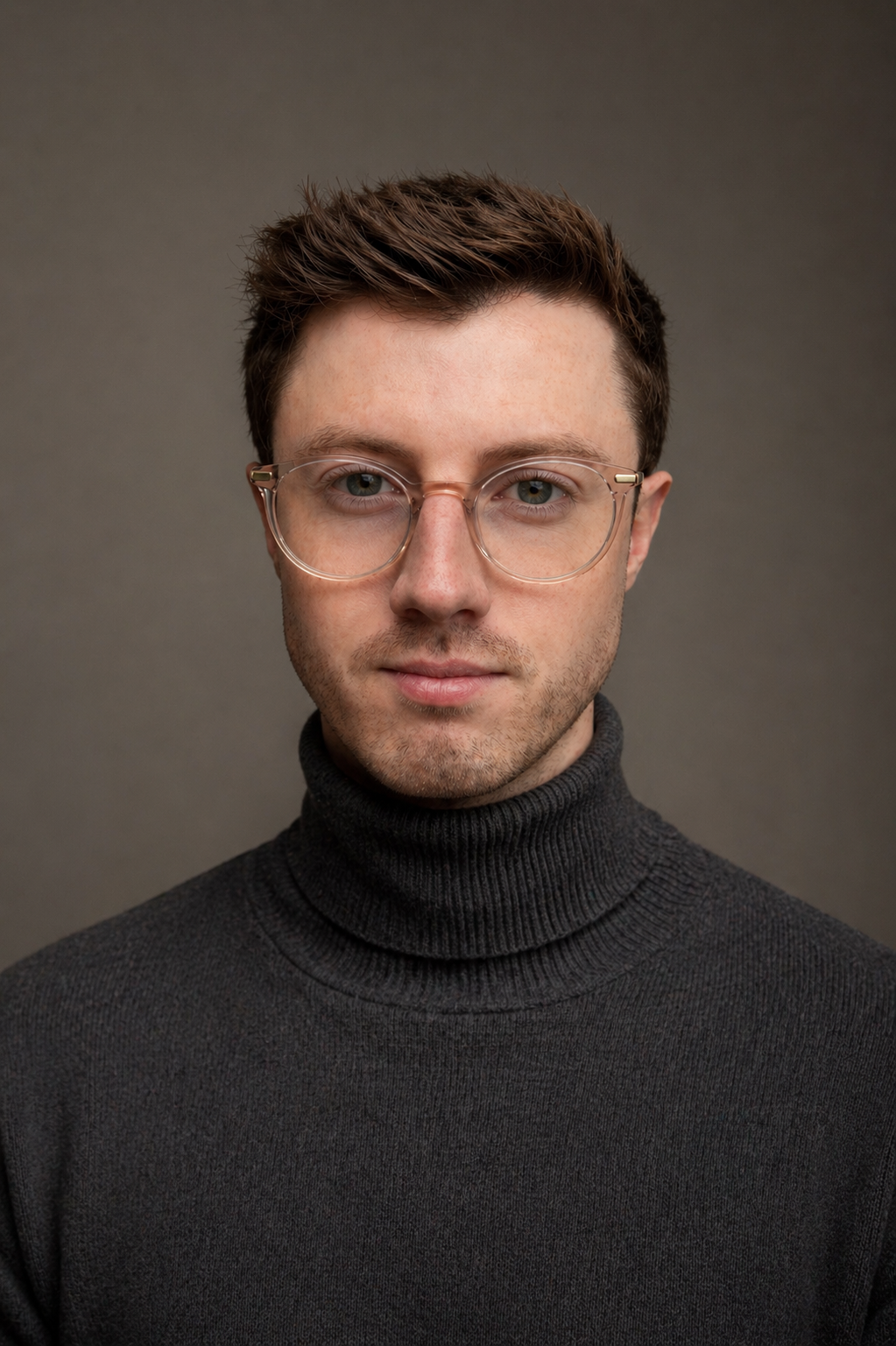
My work focuses particularly on artificial intelligence and multi-agent systems at the intersection of health, migration and crisis response. Across this research, I am interested in how computational systems can align with the mental models and operational constraints of expert decision-makers, increasing trust, interpretability and practical uptake. This has included national-scale public-health modelling in the UK alongside operational research in refugee, internally displaced and conflict-affected settings.
Before joining Bristol, I spent almost eight years working across the United Nations. Most recently, I led data science and technology work on information integrity within the UN Department of Peace Operations. Previously, I led the Data Science and AI team at UN Global Pulse, where my work included satellite-based crisis mapping, displacement modelling and public-health simulation.
My computational research is grounded in a PhD in Physics from Durham University, where I developed machine-learning approaches for accelerating complex particle-physics simulations.
Experience
A compact professional timeline
- 2026–present
Lecturer (Assistant Professor) in Data Science
School of Engineering Mathematics and Technology, University of Bristol.
- 2021–present
Research Advisor
RiskEcon Lab, New York University.
- 2023–2026
Data Scientist and Technology Lead
United Nations Department of Peace Operations.
- 2022–2026
Visiting Fellow
Institute for Data Science, Durham University.
- 2018–2023
Research Scientist and Lead of the Data Science and AI Team New York
United Nations Global Pulse.
- 2017–2021
PhD in Physics
Durham University. Computational methods for particle physics and crisis-response applications.